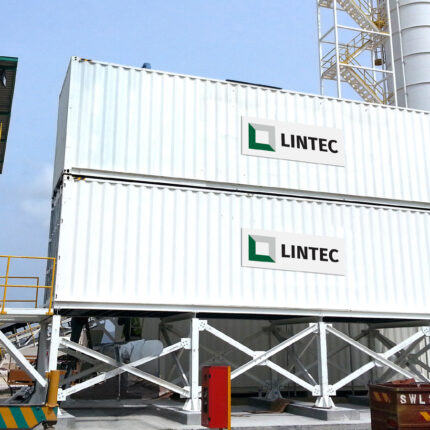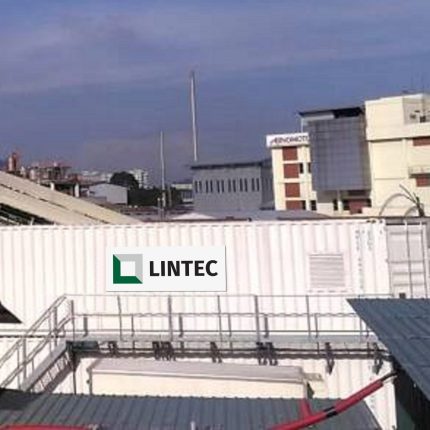
An engineered temperature control system that regulates concrete temperature during batching by using chilled water and flake ice to maintain consistent performance in hot climate and mass concrete applications.
Lintec Flake Ice Plant for concrete cooling can be used in extreme hot climate regions to produce quality concrete at desired temperatures for special requirements. The Ice Plant can be used in projects such as dam projects, airport projects and those that require high concrete strengths.
Lintec Chilled Water Plants offer concrete cooling designed for regions with tropical and hot climates. They produce 1 °C chilled water temperature using an Evaporative Condenser and 3 to 4 stages concrete cooling system to save energy. The plant can be operated continuously.
Engineered concrete cooling systems provide precise thermal control, reliable batching integration, and stable performance for high-volume concrete production in demanding construction environments.
Precision Thermal Regulation Engineering
Cooling systems are designed to maintain controlled concrete temperature by managing heat generated during cement hydration in hot ambient conditions.
High-Efficiency Cooling Performance
Optimised chilled water and flake ice systems ensure efficient heat reduction during mixing for consistent output quality.
Seamless Plant Integration Capability
Systems are configured for direct integration with batching plants, enabling automated and synchronised temperature control
Reliable Operation in Extreme Conditions
Equipment is engineered for continuous performance in high-temperature and high-humidity environments without production disruption.
WHAT OUR CLIENTS SAY ABOUT US
Zeidan ZeidanManaging Director, ZFM
Beginning with our very first machine, we were very impressed with how easy it was to use the Eurotec batching plants. The easy contact and communication with the Lintec & Linnhoff team, and in particular the readiness of the technical team to assist in the event of any issues was another major factor in our decision to buy additional Eurotec models.
Jefferson GayasProject Manager, GPPC Inc
Getting hold of quality materials when working on remote islands can be difficult, and equipment is often in short supply. It’s also rare for projects or consecutive jobs to take place on the same island so the ease with which the CSD2500B can be relocated makes that task much less of a headache.
Anderson SchmittPartner - Administrator of the Itax Group
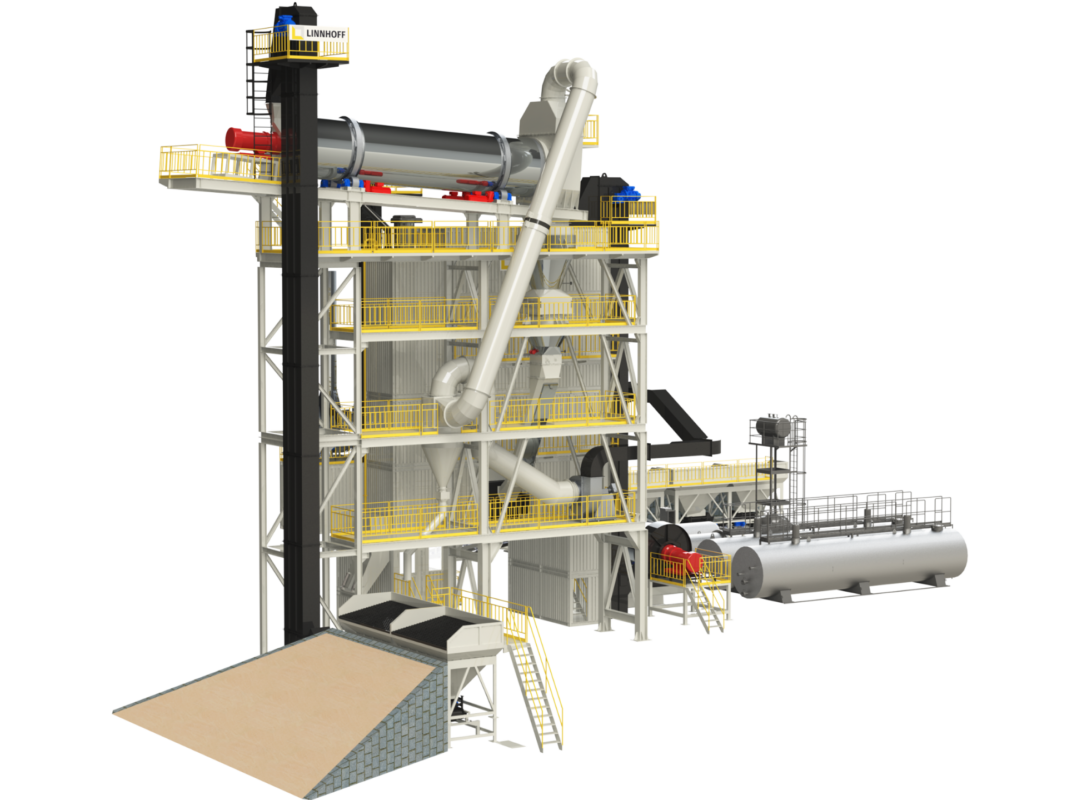
The CSD2500B appealed to us because it has a different, more innovative, layout to other brands that will simplify the low-cost manufacturing of asphalt mixtures for the construction or rehabilitation of roads, increasing the capacity of existing highways and executing a variety of urban infrastructure works.
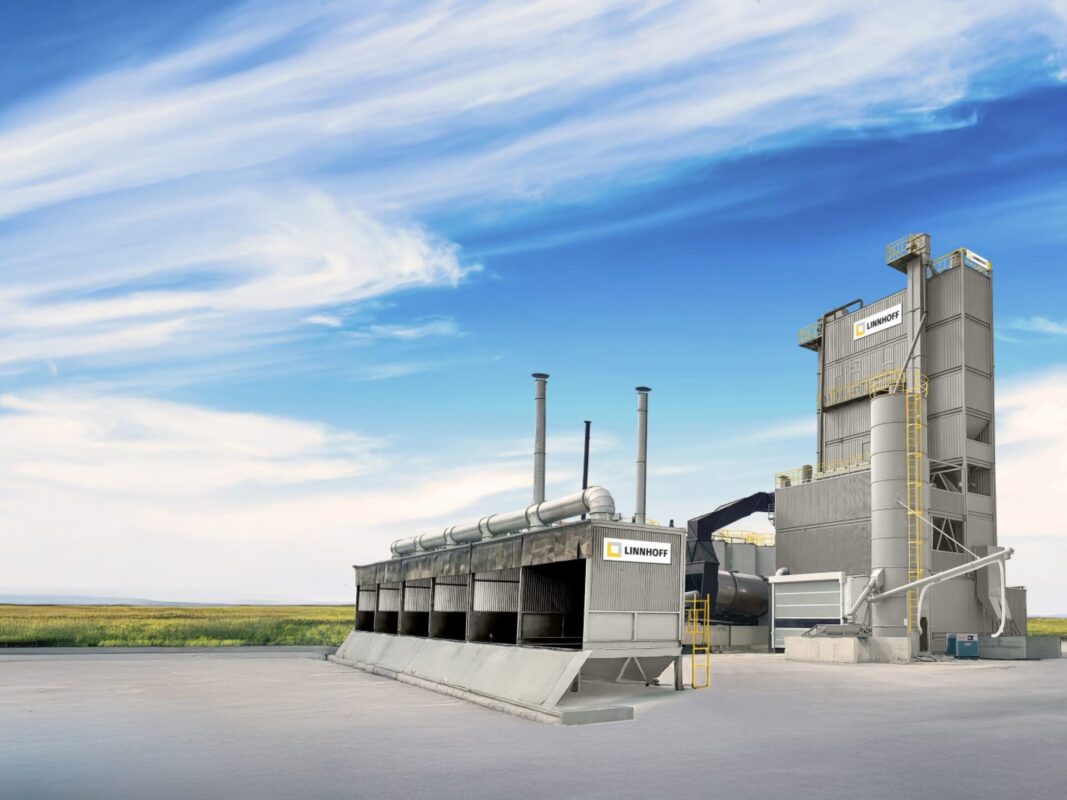
Concrete Cooling Plants Portfolios
See our completed, ongoing and signature projects here
Concrete Cooling Plant Systems for Infrastructure Applications
Dam Construction Projects
Concrete cooling systems control hydration heat in mass pours, reducing thermal stress and ensuring structural stability in large dam blocks.
Airport Runway Development
Cooling systems maintain uniform concrete temperature to ensure surface durability and load-bearing performance in runway pavements.
Bridge and Highway Infrastructure
Thermal control systems support consistent concrete quality in bridge piers, abutments, and highway structural elements.
High-Rise and Foundation Works
Concrete temperature regulation ensures stability in raft foundations and deep structural pours with high volume concrete placement.
Plant Types and System Options
Advanced systems designed to manage heat during concrete production for consistent quality and performance.
Chilled Water-Cooling Systems
A chilled water system reduces the temperature of mixing water before it enters the batching process for controlled hydration. This method provides stable baseline cooling and is widely used in continuous concrete production environments.
Flake Ice Production Systems
Flake ice systems generate ice that is directly added into the concrete mix to absorb heat during melting. This method provides high-intensity cooling suitable for extreme temperature conditions.
Integrated Cooling Systems
Integrated systems combine chilled water and flake ice technologies for multi-stage temperature control. This configuration is used for high-specification infrastructure projects requiring strict thermal compliance.
Aggregate Pre-Cooling Systems
Aggregate cooling reduces the temperature of raw materials before batching begins. This method improves overall system efficiency and reduces cooling load on main systems.
Automated Temperature Control Systems
Automation systems monitor and regulate concrete discharge temperature in real time. This ensures consistent quality control during continuous batching operations.
Why Concrete Cooling Systems Are Essential for Construction Projects?
Controlled Concrete Temperature Management
Concrete cooling systems regulate mix temperature during production to maintain stability in hot climates. Thermal consistency ensures predictable hydration behaviour in structural concrete.
Reduced Risk of Thermal Cracking
Lower concrete temperature reduces internal stress development during curing. This helps prevent cracking in mass concrete structures.
Improved Structural Strength Development
Controlled hydration improves long-term compressive strength and durability performance. This is critical for infrastructure load-bearing structures.
Enhanced Project Compliance
Cooling systems help meet strict engineering specifications for concrete temperature limits. This ensures compliance with project quality standards.
Stable Production in High-Volume Workflows
Systems support continuous batching operations without temperature fluctuation issues. This improves operational reliability in large-scale construction projects.
Ready to Deploy Concrete Temperature Control Solutions?
Contact us to configure a concrete cooling system for your batching plant requirements.
If you’re interested in any of our products or services, feel free to send us a message via the enquiry form below. We look forward to hearing from you.
Regulates temperature during concrete production and placement to maintain stability and ensure suitability for large-scale construction in hot weather conditions across infrastructure and mass concrete applications.
Lowers mixing water temperature and introduces ice during batching to reduce overall heat generated during cement hydration, ensuring consistent concrete quality and controlled discharge temperature in hot climates.
Prevents excessive heat build-up during curing, helping avoid cracks, strength loss, and long-term durability issues in concrete structures used in critical infrastructure and heavy construction projects.
Water-based cooling, ice-based cooling, and combined systems selected based on project scale, ambient temperature conditions, and required performance levels for large infrastructure and mass concrete works.
Large infrastructure projects such as dams, airports, bridges, highways, and mass foundation works requiring strict thermal management to ensure structural safety, durability, and compliance with engineering specifications.
Absorbs heat during melting, reducing concrete mix temperature significantly and improving stability during placement, especially in high ambient temperature conditions and large-volume concrete pours.
Can be integrated into existing batching plants to enable automated temperature control, efficient operation, and improved production consistency without requiring major structural modifications.
Some methods cool input water before mixing, while others act directly inside the mixer for faster heat reduction, offering different efficiency levels depending on project requirements.
Designed for continuous operation in high-volume production environments over extended construction periods, maintaining stable performance, temperature control, and reliability throughout demanding project schedules.
Uneven setting, early-age cracking, reduced strength development, and long-term durability problems occur, especially in hot climates where heat accelerates hydration and affects concrete performance significantly.