
MEDIA RELEASE
March 5, 2026
How Automation Is Reshaping Industrial Operations
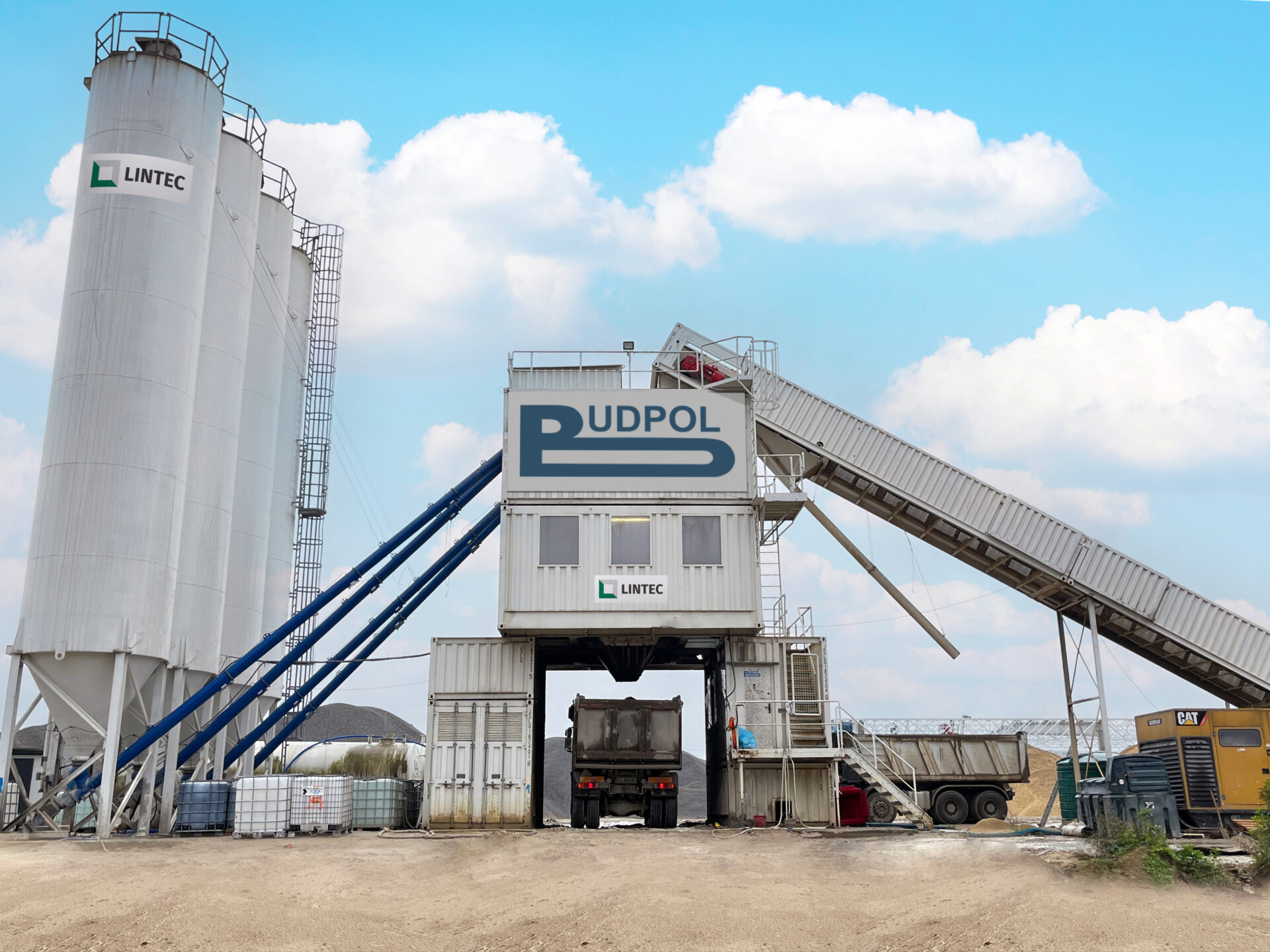
Budpol’s Lintec CC3000D Containerised Concrete Mixing Plant at work on the A18 highway in southwestern Poland
Automation has become a structural requirement for the construction materials and industrial manufacturing sectors. Rising operational costs, labour constraints, increasing quality expectations, and growing sustainability pressures are reshaping how facilities are designed, managed, and operated. Today, automation is no longer viewed as a future investment or a productivity add-on, but as a strategic foundation for competitiveness, resilience, and long-term performance.
At the same time, digitalisation is transforming traditional production environments. Industrial plants are evolving from isolated mechanical systems into connected, intelligent operations where data, software, and automation work together to optimise performance in real time. Industry 4.0 frameworks have accelerated this shift by integrating systems across operations, positioning automation at the centre of operational stability, performance optimisation, and adaptability. Indeed, according to McKinsey, studies show that digital transformation and automation can increase throughput by 10–30 per cent and reduce machine downtime by up to 50 per cent in industrial environments.
As automation has evolved, its role has expanded beyond task control to system-level intelligence. Sensors, real-time monitoring platforms, and intelligent control systems now enable continuous optimisation across entire production processes. Plants increasingly operate as part of integrated networks where performance, maintenance, energy use, and quality are managed holistically. This allows organisations to move from reactive operations to predictive and proactive management models, while also supporting energy efficiency, emissions reduction, and broader sustainability objectives.
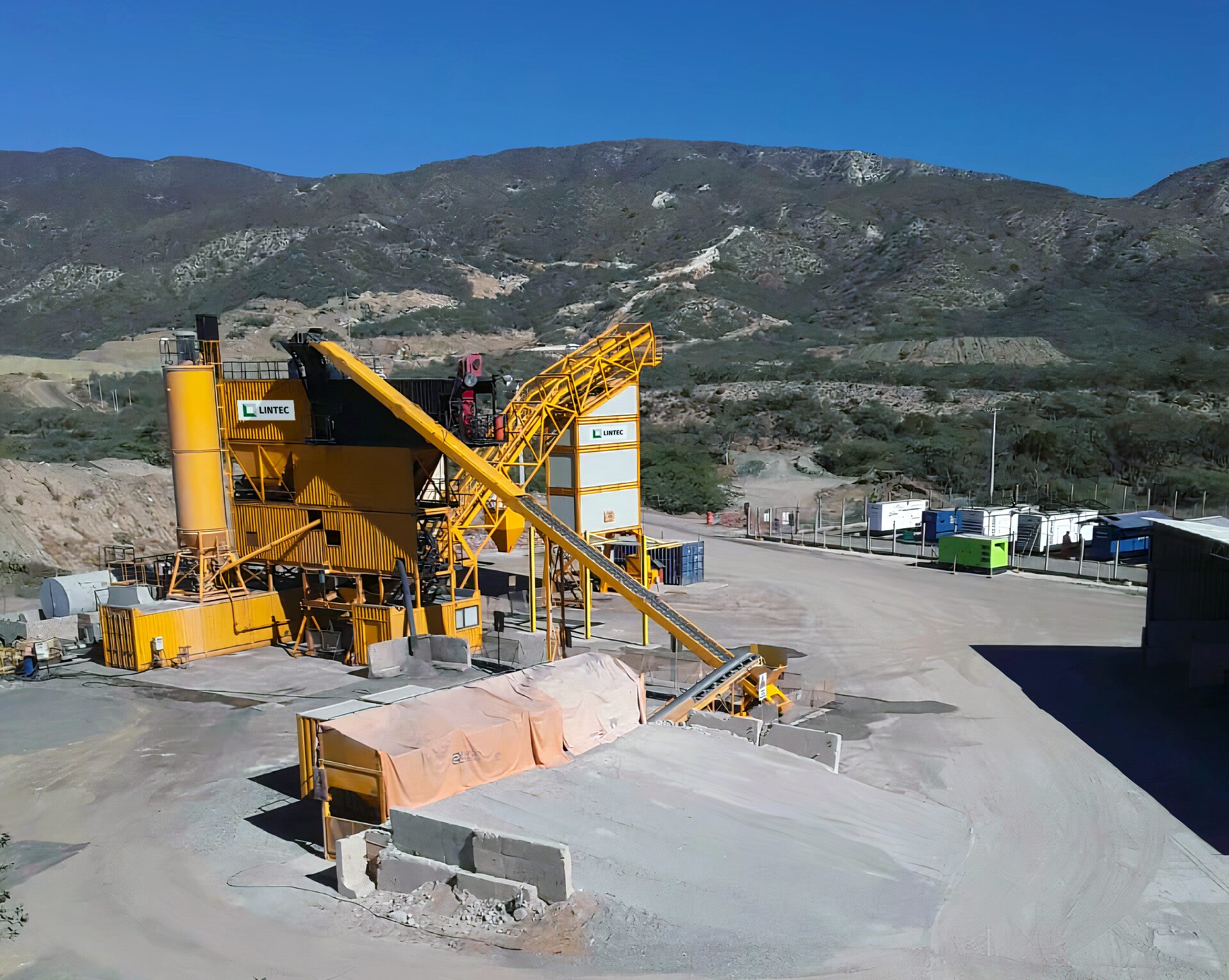
In the Dominican Republic, a Lintec CSD1500 Asphalt Mixing Plant produced asphalt for the dam’s innovative core design to form a robust, waterproof barrier
How Lintec & Linnhoff Enables Intelligent Automation
Within this evolving landscape, Lintec & Linnhoff approaches automation not as a standalone technology, but as an integrated operational capability designed into plant systems from the outset. The focus is on building intelligent, connected plant environments that deliver consistency, flexibility, and long-term performance across diverse applications.
This approach is evident in complex infrastructure projects that demand both precision and reliability. For example, a Lintec CSD1500 Asphalt Mixing Plant deployed on a major dam project in the Dominican Republic was required to produce specialised asphalt mixes for a waterproof core under demanding site conditions. Advanced plant automation and control systems enabled precise management of mix recipes and production parameters, while intelligent process control supported stable output and operational efficiency throughout the project. Features such as Double Screen Drum Technology also contributed to reduced fuel consumption, lower maintenance requirements, and improved uptime, even in wet and challenging environments.
Automation at scale is equally critical for large-volume road construction programmes. In Kazakhstan, five Lintec CSM4000 asphalt mixing plants were supplied to support a nearly 1,000-kilometre road development programme. These plants combined a containerised modular design with automated control systems, allowing rapid deployment while maintaining consistent production quality across multiple sites. Intelligent automation enabled operators to manage mix designs accurately and repeatably, supporting productivity, quality assurance, and schedule reliability on one of Central Asia’s most ambitious infrastructure projects.
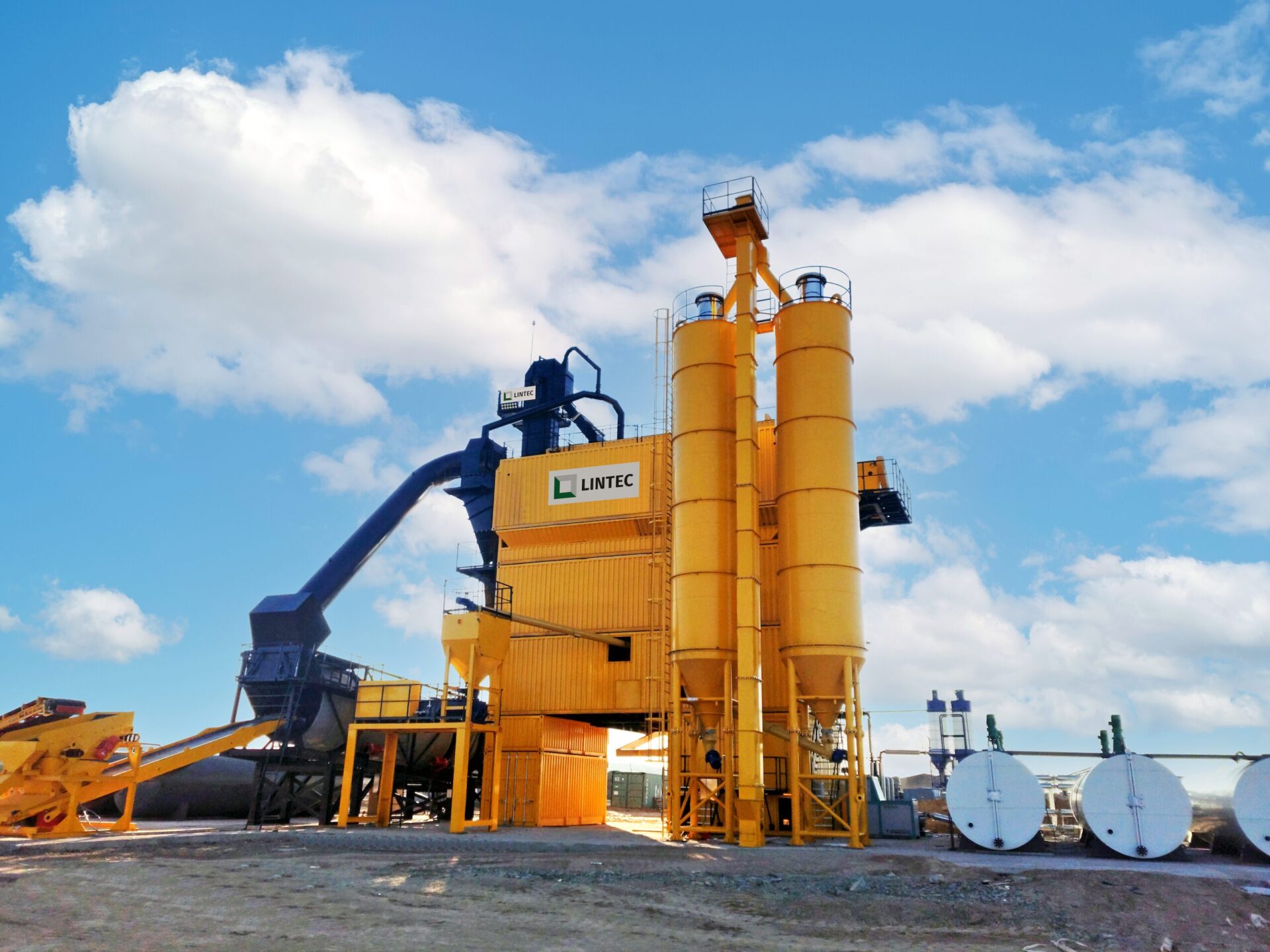
A Lintec CSM4000 Asphalt Mixing Plant at the jobsite in Kazakhstan
In addition to asphalt, Lintec & Linnhoff’s automation philosophy extends across concrete batching and materials processing applications. Advanced batching controls, automated sequencing, and integrated monitoring systems reduce manual intervention, minimise error, and support stable, repeatable production, even under high-volume or time-critical conditions. Across applications, automation delivers not just control, but visibility, adaptability, and operational intelligence, allowing plants to respond to changing project requirements while sustaining long-term performance.
In Poland, contractor Budpol deployed a Lintec CC3000D containerised concrete batching plant to support multiple major highway expansion projects, including the 76.5-kilometre A18 motorway in southwestern Poland. The plant’s automated batching controls, sequencing logic, and integrated monitoring systems enabled the reliable production of large concrete volumes under demanding site conditions, while minimising manual intervention and ensuring repeatable quality across different mix designs. High levels of automation also supported rapid relocation between projects, reduced setup time, and stable performance across seasonal conditions, demonstrating how intelligent control systems contribute directly to productivity, flexibility, and long-term operational efficiency in large-scale infrastructure applications.
Innovation is embedded within Lintec & Linnhoff’s engineering and plant design philosophy. Modular systems and scalable automation frameworks allow customers to evolve their operations over time, upgrading capabilities as technologies advance and business needs change. This ensures that automation investments remain adaptable, resilient, and future-ready.
Jeffrey Ma, Chief Technology Officer, Lintec & Linhoff, comments:
“True automation is not defined by technology alone, but by how intelligently it is integrated into operations. Our focus is on building connected, adaptive plant ecosystems that combine automation, digitalisation, and services to deliver long-term operational resilience and sustainable growth.”
Conclusion
Automation is redefining how industrial operations are designed, managed, and optimised, enabling higher efficiency, stronger quality control, improved safety, and better environmental performance, while also building more resilient and adaptable operational systems.
By combining intelligent technologies, innovation-driven engineering, digital platforms, and integrated services, Lintec & Linnhoff supports customers in developing smarter, more connected operations where automation becomes a foundation for sustainable progress.
-ENDS-
About Lintec & Linnhoff
Lintec & Linnhoff is a global manufacturer and distributor of leading-edge solutions for the asphalt and concrete industries under the Lintec and Linnhoff brand names. Its products include asphalt mixing plants, concrete batching plants, pavement related technologies, and specialist concrete cooling solutions.
All its machines are engineered to the highest levels and exceed global standards for environmental impact, recyclability and reusability. The company’s key technologies include Lintec’s containerised asphalt and concrete batching plants built in 100% certified ISO sea containers and Linnhoff’s screen drum technology.
Lintec & Linnhoff combines the craftsmanship, precision and engineering expertise of its German heritage with the exacting standards required to serve the varied needs of the global construction market. It provides purpose-built solutions to customers that are supported through its team of global experts and distribution partners.
Lintec & Linnhoff plants have helped deliver some of the world’s most prominent construction achievements, including the Hong Kong-Zhuhai-Macau bridge; Yas Marina Circuit, Abu Dhabi; The Palm Island, Dubai; the Storebaelt Bridge, Denmark; Merdeka 118 Tower, Malaysia; and the 1st Polder Project in Singapore.
—
MEDIA CONTACT
Punitha Govindasamy
Assistant Marketing Director
Lintec & Linnhoff Holdings Pte Ltd
punitha.govindasamy@lintec-linnhoff.com
Ben Shaw
Director
SE10

 PT
PT