
Asphalt Batching Plant vs Continuous Plant: Which Suits Your Roadwork Project?

Choosing between an asphalt batching plant and a continuous plant can directly affect a roadwork project’s efficiency, cost control, and overall output. Each system offers distinct advantages depending on the type of project, required production flexibility, and site conditions. While batch plants are often preferred for greater control over mix quality and customisation, continuous plants are typically valued for streamlined production and operational simplicity. This guide explains how both systems work, compares their performance across key considerations, and helps contractors determine which option best suits their project requirements.
How Batch and Continuous Asphalt Plants Work
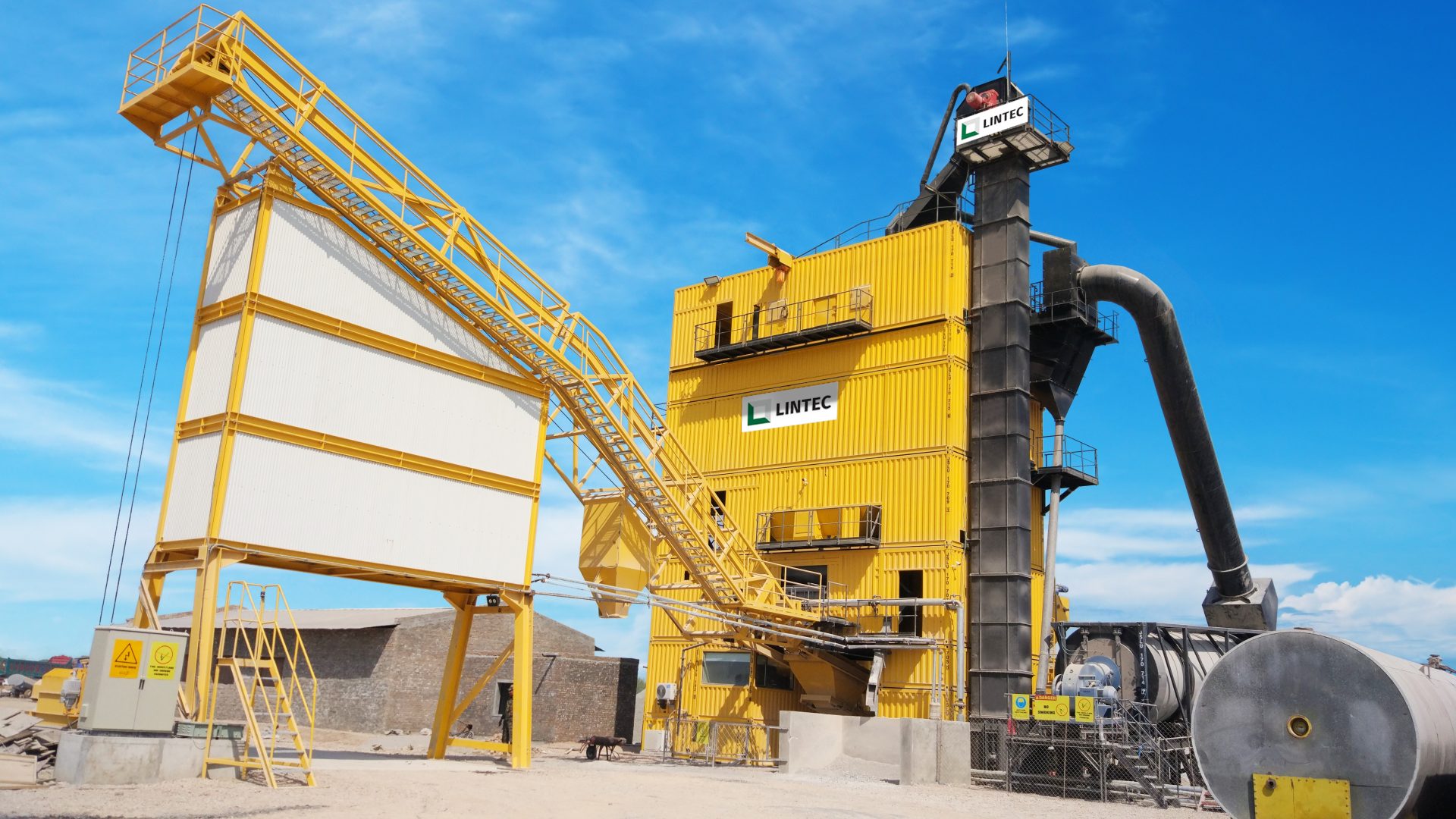
What Is Asphalt Batching Plant
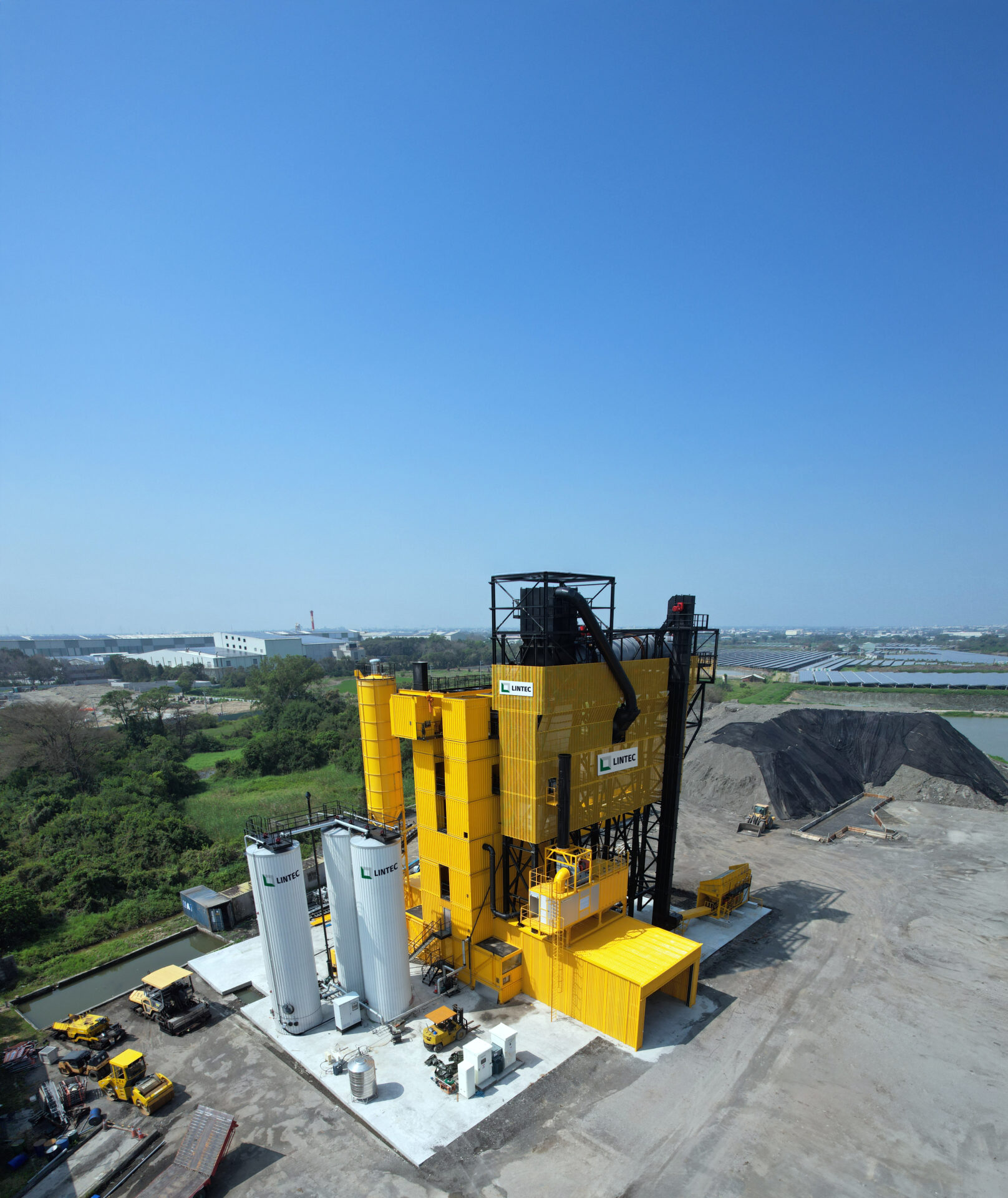
Asphalt Batching plants produce hot mix asphalt through a process, where materials are measured and mixed in individual batches. After aggregates are heated in the dryer, they are transported via a hot aggregate elevator to the top of the mixing tower. There, multi-deck vibrating screens separate the aggregates into different size fractions, which are stored in dedicated hot bins. Each aggregate fraction, together with bitumen and filler, is then precisely weighed before being discharged into the mixer for blending. This controlled screening and weighing process helps maintain accurate aggregate gradation and ensures consistent adherence to the specified mix design.
How Continuous (Drum Mix) Asphalt Plants Operate
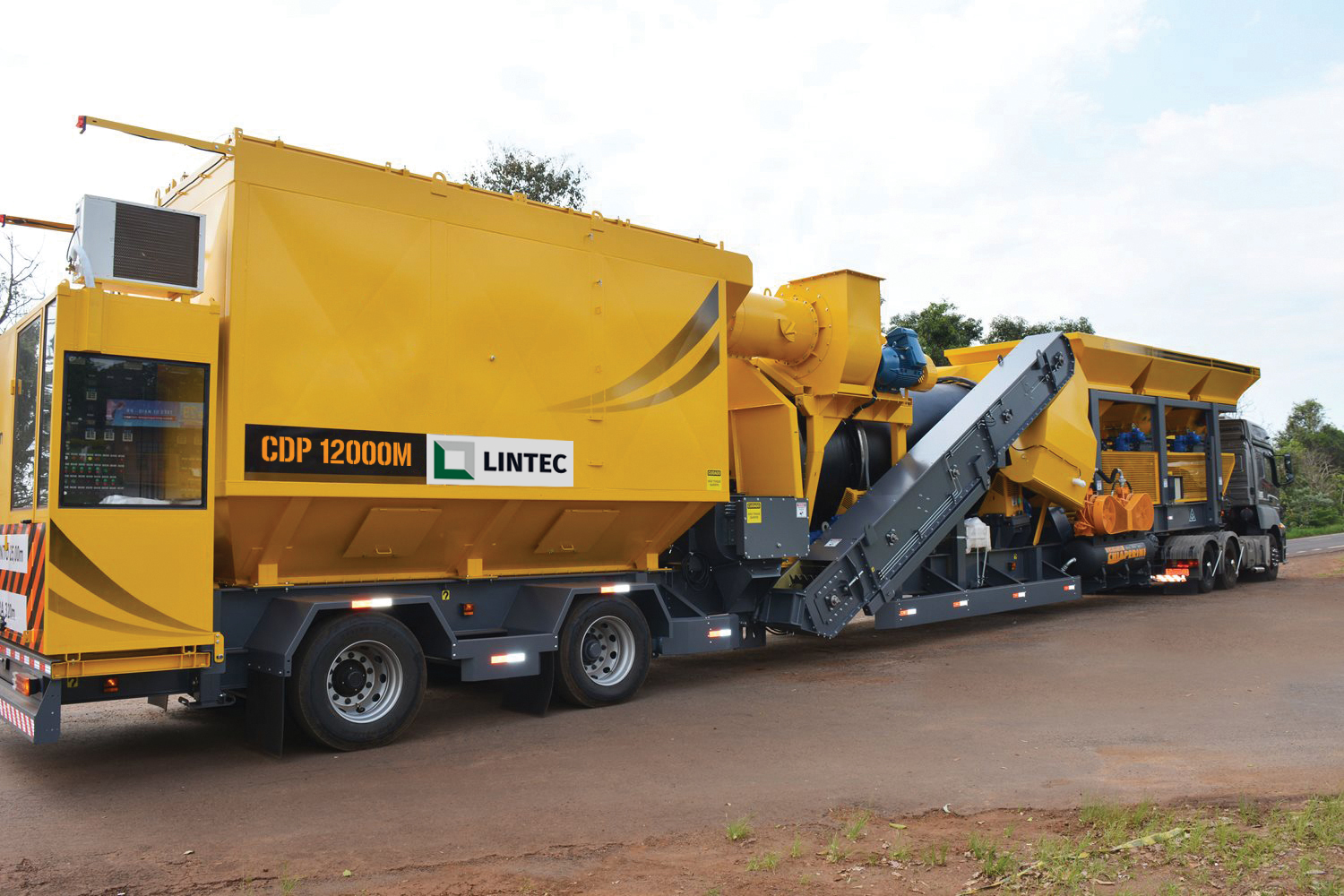
Continuous asphalt mixing plants, such as the Lintec CDP series, operate using a continuous production process where drying and mixing occur within a single drum system. Aggregates are fed into the drum and heated as they move through the initial section, after which bitumen and filler materials are introduced downstream for mixing. Instead of relying on hot bin weighing, these systems use calibrated cold feed units to control aggregate proportions before entering the drum. The process runs without interruption, eliminating the need for a mixing tower, hot aggregate elevator, and screening systems typically found in batch plants.
Core Differences in Mixing Process and Material Flow
Batch and continuous asphalt plants differ in how they control material flow. Batch plants separate drying, screening, and mixing into distinct stages, allowing tighter control over aggregate gradation and mix consistency. Continuous plants combine these processes in a single flow system, relying mainly on calibrated cold feed control. This makes batch plants more flexible, while continuous plants prioritise steady output.
Technology and Automation in Modern Asphalt Plants
Modern asphalt plants use PLC-based automation and centralised monitoring systems to manage key production functions in real time. These systems help operators track performance, adjust settings, and respond quickly to deviations. Integrated sensors also support better control over material flow, temperature, and energy use, while recipe storage allows smoother changeovers between different asphalt mix requirements.
Side-by-Side Performance Comparison
| Feature | Batch Asphalt Plants | Continuous Asphalt Plants |
| Process Flow | Operates in cycles with separate drying, screening, and mixing stages | Operates in a continuous flow with drying and mixing in one system |
| Material Control | Uses hot bins and precise weighing for each batch | Relies on calibrated cold feed systems for proportioning |
| Automation System | PLC controls batch sequencing and material weighing | PLC manages continuous material flow and process stability |
| Monitoring | Centralised interface tracks each batch and ensures consistency | Real-time monitoring focuses on steady output and system balance |
| Sensors | Load cells, temperature, and moisture sensors ensure high accuracy | Sensors maintain flow consistency, heat control, and efficiency |
| Recipe Handling | Supports flexible mix changes with controlled batch adjustments | Allows smoother transitions but with less flexibility in rapid changes |
Which Plant Suits Your Project Requirements
Best Use Cases for Asphalt Batching Plant
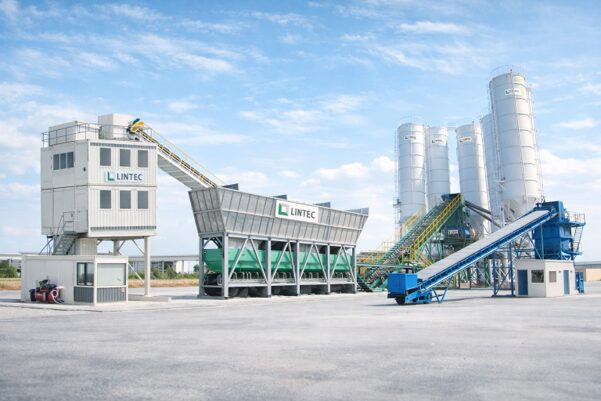
Batch asphalt plants are well-suited for high-specification infrastructure projects that require precise control over mix design. Applications such as airports, highways, and bridge construction demand consistent quality and strict compliance with technical standards. These plants are also ideal for projects involving multiple mix requirements, as they allow efficient switching between different recipes. In urban roadworks, where varying pavement layers are needed, batch systems provide the flexibility to adjust formulations quickly. They are particularly effective for producers managing diverse project requirements across different clients.
When to Choose a Continuous Asphalt Plant
Continuous asphalt plants are best suited for large-scale projects with stable and consistent production demand, such as highway construction and industrial developments. They are also effective for municipal road maintenance and rural infrastructure works where steady output and operational efficiency are prioritised. Continuous systems are designed to deliver uninterrupted production, making them suitable for projects with predictable mix requirements. In cost-conscious environments, their streamlined design and reduced operational complexity can provide practical advantages.
Project Scale, Duration, and Location Considerations
Project scale, duration, and location play a key role in plant selection. Long-term projects often justify stationary installations, while mobile plants are better suited for temporary or multi-site construction. In remote areas, on-site production using mobile units can reduce transportation costs and improve efficiency. Projects spanning multiple locations benefit from equipment that can be relocated within a short timeframe. In urban environments with reliable supply access, centralised production may reduce the need for on-site plants.
Cost vs Performance Trade-Offs for Contractors
Initial equipment cost represents only part of total project expenditure. Batch plants require higher upfront investment but offer greater control over mix quality and flexibility. Continuous plants typically involve lower acquisition and operational complexity. Contractors should evaluate total lifecycle costs, including fuel, energy consumption, maintenance, and replacement components, before selecting the most suitable system.
Choosing Based on Long-Term Operational Goals
Future project pipelines influence equipment selection. Contractors targeting high-specification work benefit from batch plant capabilities, while volume-focused operations prioritise continuous plant efficiency. Some systems offer modular designs that support capacity expansion without requiring full plant replacement.
Conclusion
Choosing between a batch and continuous asphalt plant comes down to the specific demands of the project. Batch plants are better suited for applications that require tighter control over mix quality, greater flexibility, and frequent recipe changes. Continuous plants are often the more practical choice for projects that prioritise steady output, operational simplicity, and cost efficiency. To make the right decision, contractors should evaluate project scale, specification requirements, site conditions, and long-term operational goals rather than focusing only on upfront investment.
If you are assessing the right asphalt plant for your next project, speak with our team for tailored recommendations based on your production needs, site requirements, and long-term business objectives. Explore our asphalt plant solutions to find a system built for performance, reliability, and efficient operation.
FAQs
Q1. What is the main difference between batch and continuous asphalt plants?
Batch plants produce asphalt in separate stages, with drying, screening, weighing, and mixing carried out in cycles. Continuous plants run in a steady flow, combining production stages within one continuous system.
Q2. Which type of asphalt plant offers better production efficiency?
Continuous plants are generally better suited for steady, high-volume output. Batch plants, however, offer greater flexibility when projects require different mix designs or frequent recipe changes.
Q3. Are batch asphalt plants more accurate than continuous plants?
Batch plants generally provide tighter control over material proportioning and mix consistency because aggregates and binders are weighed for each batch before mixing.
Q4. Which asphalt plant type has lower maintenance requirements?
Continuous plants often have a simpler structure, which can reduce maintenance complexity. Batch plants usually involve more components, which may increase servicing needs over time.
Q5. When should contractors choose a batch plant over a continuous plant?
Batch plants are a better choice for projects that require strict quality control, multiple mix designs, and greater production flexibility, such as highways, airports, and other specification-driven works.

 PT
PT