
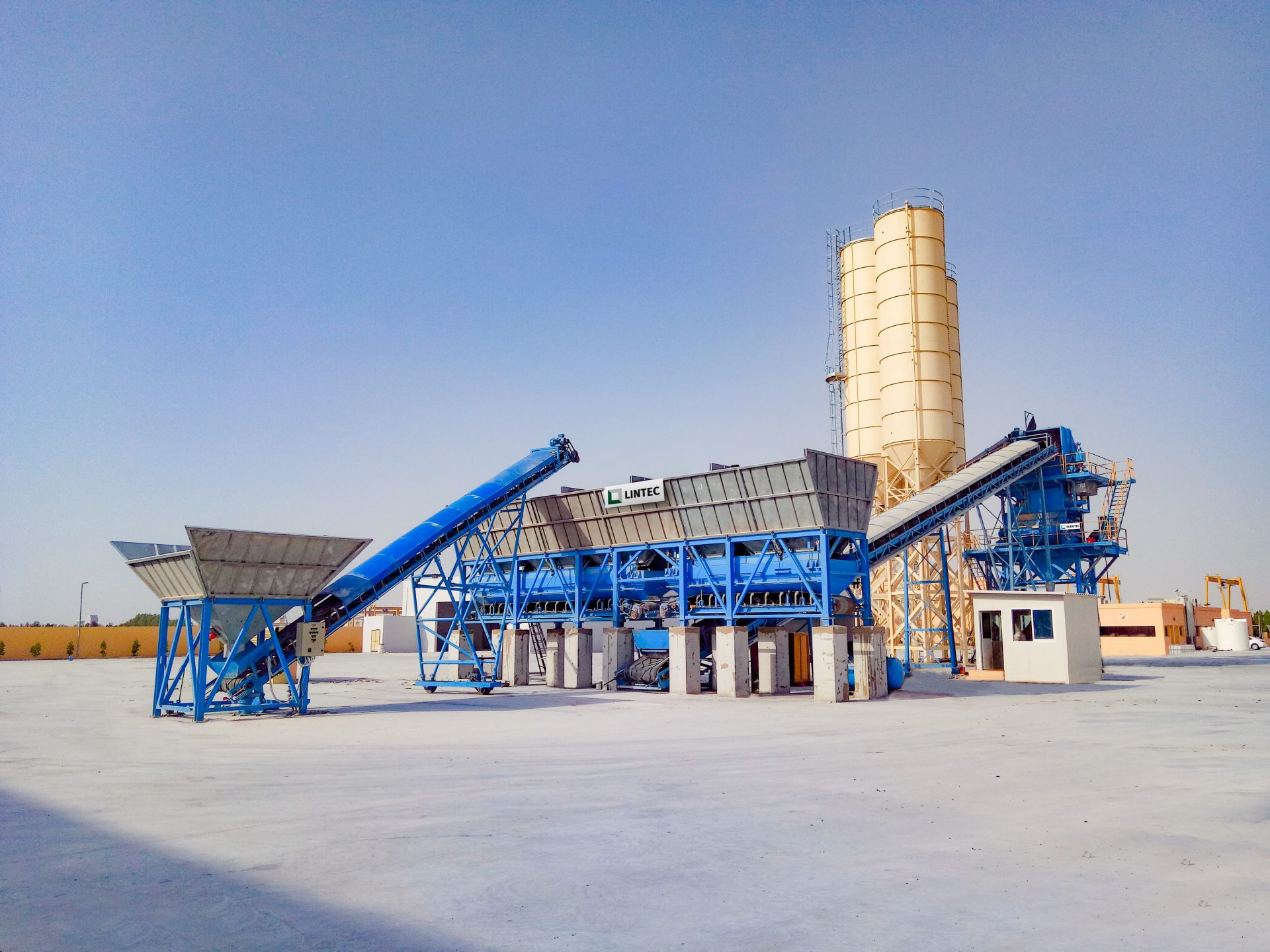
When considering your options, it is crucial to choose concrete batching plant that meets your specific needs.
Choosing the right concrete batching plant can determine whether your infrastructure project stays on schedule and within budget. For projects pouring more than 2,000 cubic yards of concrete, owning a plant makes financial sense and can quickly pay for itself across multiple sites. Production efficiency directly impacts construction speed, cost control, and final structure quality. Accordingly, contractors must weigh several factors: capacity requirements, site constraints, and equipment configuration.
Mobile concrete batching plants offer flexibility for multi-site projects, whilst stationary plants suit long-duration developments. Specifically, batching plant capacities typically range from tens to hundreds of cubic metres per hour. When you need to choose concrete batching plant for your project, matching it to your demands ensures optimal performance and return on investment.
To ensure the effectiveness of your decision, you must carefully choose concrete batching plant that aligns with your project specifications and requirements.
Concrete Batch Plant Range on Lintec Linnhoff
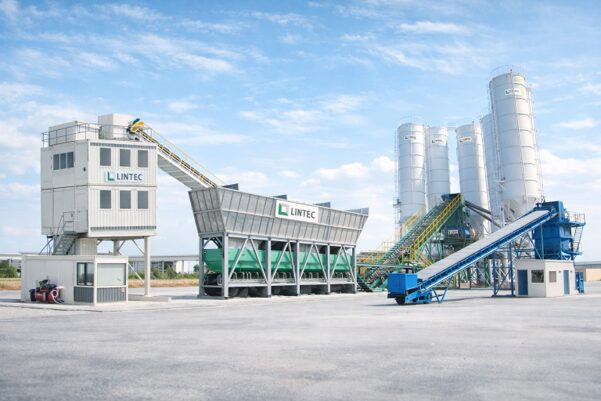
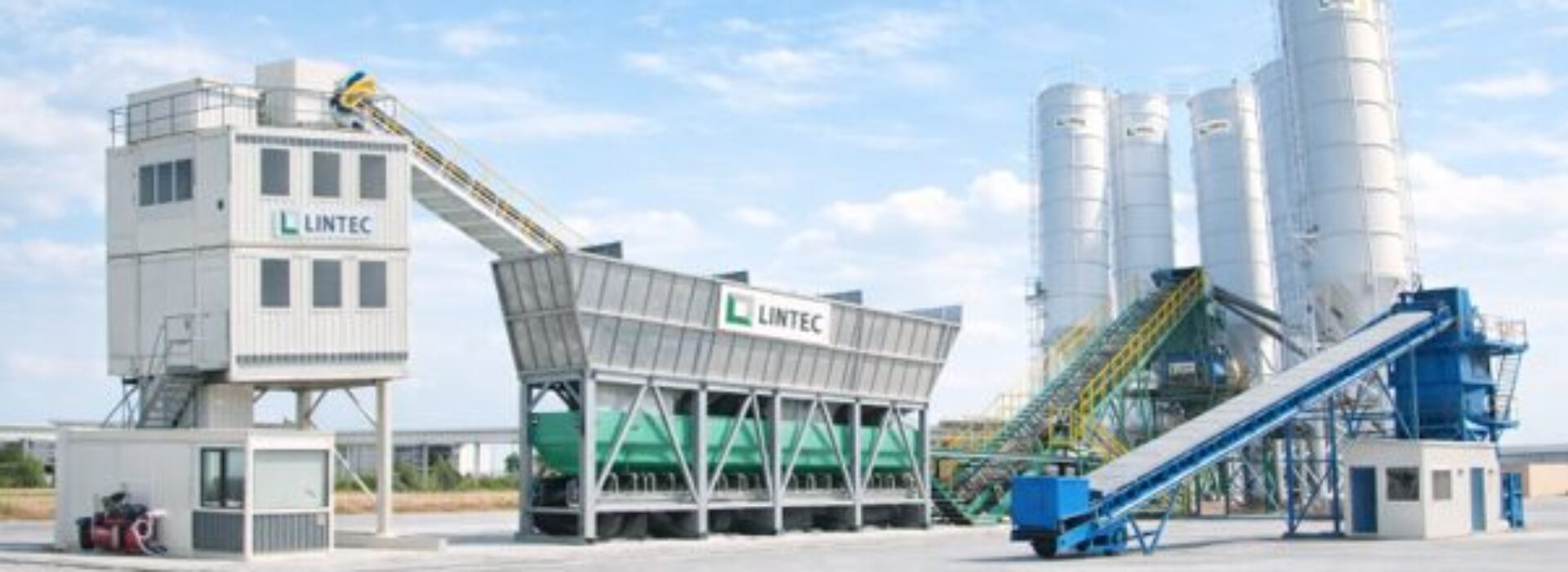
Lintec Linnhoff manufactures six distinct types of concrete batching plant, each engineered for specific project scales and site conditions.
Lintec CC containerised concrete batching plants
The Lintec CC series delivers production capacities from 90 to 240 m³/hr across four models. Each plant is supplied in 100% ISO sea containers certified by Germanischer Lloyd/Dekra, reducing transport costs whilst allowing easy relocation between project sites. The modular containerised design enables fast installation without the need for concrete foundations, as the plant can operate on compacted soil. Security features include a single lockable door that restricts unauthorised access and helps protect equipment from theft or vandalism. The CC3000D model uses two 3 m³ twin-shaft mixers to achieve the series’ maximum output of 240 m³/hr.
Before you finalize your selection, be sure to choose concrete batching plant that offers adequate production capacity for your project’s scale.
Lintec CCE containerised concrete plants
The Lintec CCE series is designed for rapid deployment and easy relocation. Delivered in ISO sea containers, the plant can be installed quickly using standard lifting equipment, allowing projects to begin production within a short setup period. The containerised structure with integrated access stairways and platforms provides safe maintenance access to key components. Electrical and control systems are fully integrated and protected within the containerised modules, improving durability in harsh site conditions. The enclosed container design also helps reduce noise and limit dust emissions, making the plant suitable for demanding construction environments.
Lintec ECP eco concrete batching plants
The Lintec Ecotec ECP series is designed for efficient and cost-effective concrete production, with output capacities ranging from 60 to 90 m³/hr. The plant features a modular structure that reduces foundation requirements and simplifies installation. Quadrant-shaped aggregate bins allow loading from two sides, improving site logistics and material handling. An integrated control cabin provides operators with a clear view of plant operations and streamlines daily workflow. The ECP series supports wet mix concrete production and offers flexible configurations to suit different project requirements.
It’s essential to choose concrete batching plant with the appropriate technology to facilitate your construction goals efficiently.
Lintec PCP portable concrete batching plants
The Lintec PCP series is a portable concrete batching plant designed for projects that require mobility and fast setup. The skid-mounted design allows the plant to be installed on prepared compacted ground without the need for concrete foundations, reducing civil works and setup time. The series provides production capacities of 60 to 120 m³/hr, making it suitable for medium to large construction projects. Each plant includes an integrated control room for plant operations and a built-in water tank, supporting efficient on-site concrete production and easier relocation between project sites.
In a competitive market, knowing how to choose concrete batching plant can greatly influence project success.
Lintec UCP ultra stationary concrete batching plants
The Lintec UCP series is a stationary concrete batching plant designed for large infrastructure projects that require high and consistent output. The plant delivers production capacities of up to 250 m³/hr, making it suitable for high-volume concrete supply. Twin-shaft mixers ensure efficient and consistent mixing performance, supported by a computerised process control system for accurate batching and monitoring. The plant also offers flexible aggregate weighing options, including independent or cumulative weighing, and can be configured with multiple aggregate bins to handle different material types.
BaseMix Plant for wet mix and stabilisation works
The Lintec WM BaseMix plant is designed for producing plant-mixed base materials used in road construction. It is commonly used to manufacture Wet Mix Macadam (WMM) and other stabilised base layers for pavement structures. The plant supports the production of cement-treated base materials and Roller Compacted Concrete (RCC), making it suitable for highway, airport, and infrastructure projects that require consistent and controlled base material mixing.
One of the first steps in your project planning is to choose concrete batching plant that can adapt to your operational needs.
Capacity Planning and Project Logistics
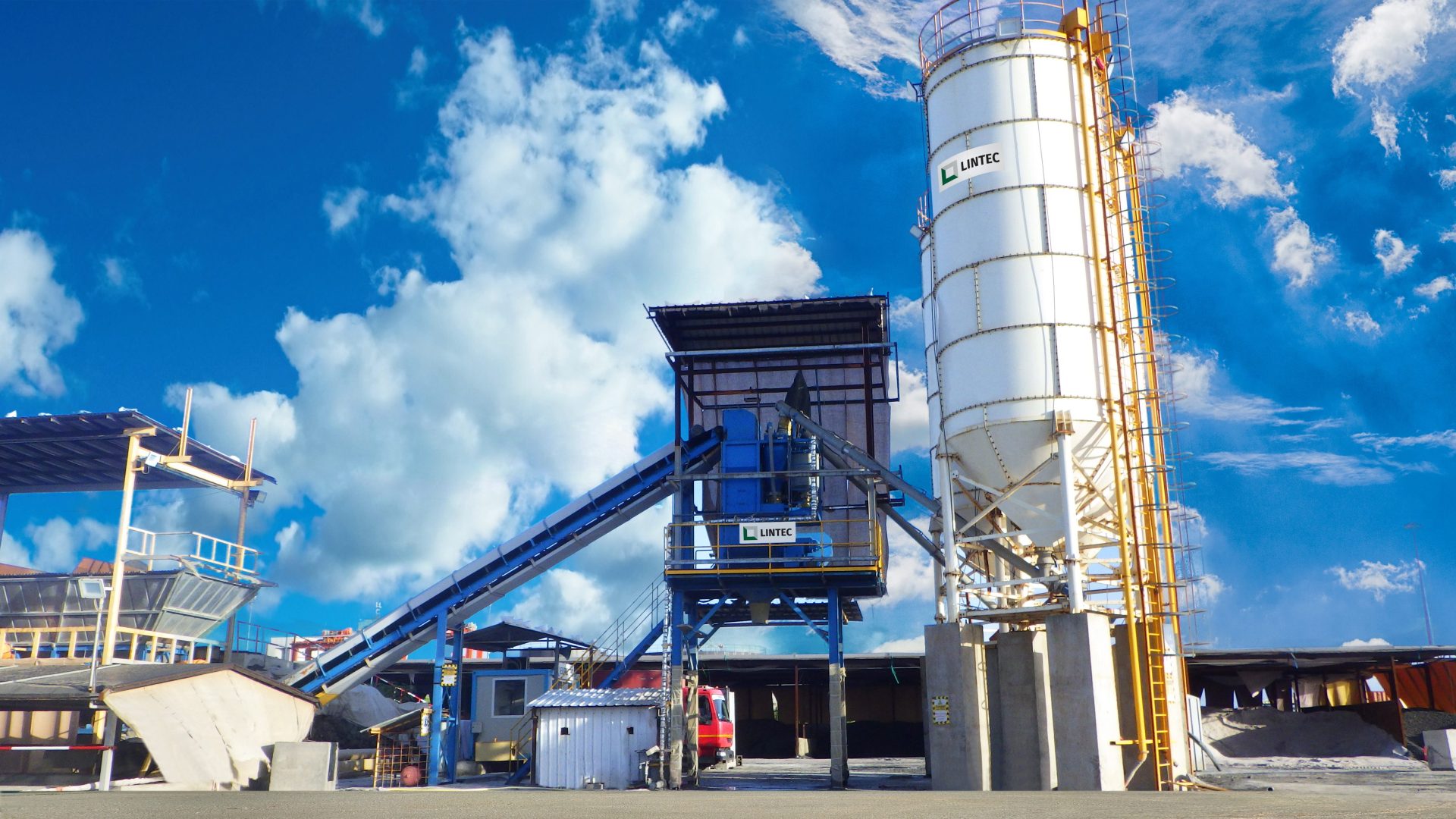
Matching plant output to daily pour schedules
Production capacity depends on peak daily concrete demand divided by planned operational hours. For projects requiring 500 m³ daily across an 8-hour shift, the minimum hourly output required would be 62.5 m³/hr.
In practice, batching plants are usually specified with additional capacity above the calculated minimum to account for batch cycle interruptions, truck loading delays, maintenance downtime, and variations in mixing time. Many contractors plan for a capacity buffer of around 15–25% to maintain stable supply during peak demand.
When deciding how to choose a concrete batching plant by output, medium-capacity plants in the 60–120 m³/hr range suit moderate daily volumes, whilst high-capacity stationary plants producing 150–240 m³/hr are required for highways, airports, and large commercial developments.
In your search, you will often find specific brands that help you choose concrete batching plant tailored to your construction requirements.
Foundations, footprint, and site setup requirements
Stationary concrete batching plants usually need engineered concrete foundations to support silos, bins, conveyors, and mixers. These civil works can form a significant share of installation cost, depending on plant size and site conditions.
Mobile, portable, and containerised plants reduce foundation work and may be installed on compacted or stabilised ground, though some still need basic support pads.
Site area depends on plant capacity and layout. A 60 m³/hr stationary plant may need around 2,000–4,000 m², while more compact designs can operate in about 500–1,500 m². The site must also allow space for material delivery, truck loading, maintenance access, and aggregate stockpiles.
Mobilisation and relocation needs for multi-site projects
Mobile plants complete mobilisation and demobilisation within 1-2 weeks. Disassembly finishes in half a day, with equipment transferring to new sites within one day.
When working on multiple job sites, it is vital to choose concrete batching plant that can be easily transported and set up at various locations.
Aggregate, cement, and water supply planning
Plants depend on reliable water sources for mixing operations and stable power supplies ensuring uninterrupted equipment operation. Storage systems must accommodate varying raw material quantities based on project scale. Aggregate storage requires separation by size to prevent contamination, with hardened ground surfaces facilitating loader operations.
Budget planning for plant, setup, and operating costs
Small batching plants (20–50 m³/hr) are typically used for low-volume or short-term projects with lower upfront investment. Medium-capacity plants (60–120 m³/hr) are commonly selected for mid-sized infrastructure or commercial construction due to their balance of output and cost efficiency. Large plants (120 m³/hr and above) require higher initial investment but usually achieve lower production cost per cubic metre at scale.
For stationary plants, installation and civil works such as foundations, silos, and site preparation can add roughly 10–25% to the total plant cost, depending on site conditions and plant configuration.
Cooling, Quality Control, and Jobsite Reliability
The process of determining the best solution often begins with learning how to choose concrete batching plant for your specific project needs.
Temperature control becomes critical when ambient conditions exceed 30°C, as excessive heat accelerates cement hydration and reduces concrete workability (ACI 305R Hot Weather Concreting Guide).
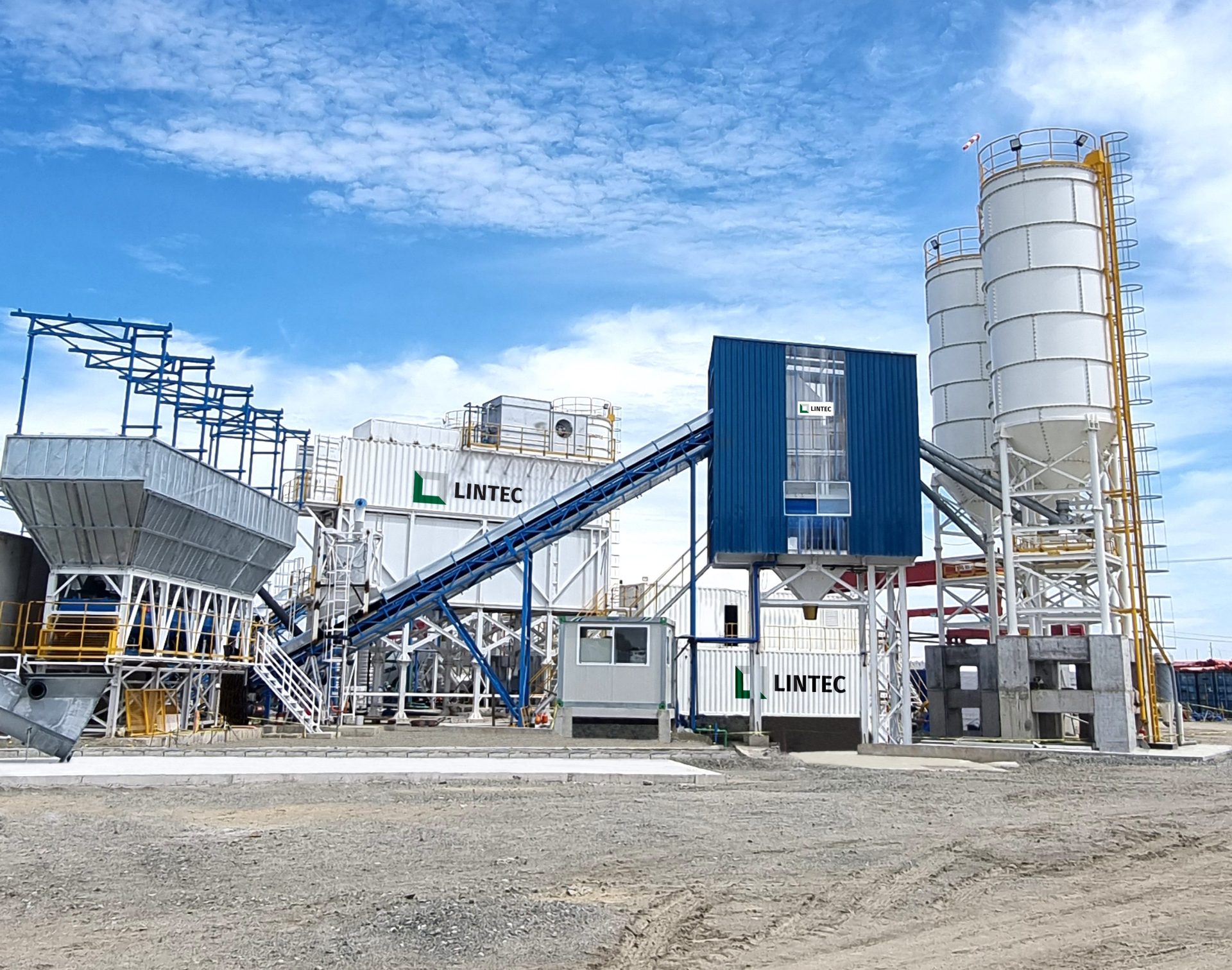
Cooling systems for hot and tropical climates
In Malaysia, the Philippines, Thailand, and northern Australia, high ambient temperatures can accelerate cement hydration and reduce concrete workability when raw materials become too warm. Central Australia can also experience extreme heat, especially in inland areas, which increases the risk of rapid setting during batching, transport, and placement. By contrast, southern Australian cities are generally more temperate, although summer heatwaves can still create hot weather concreting conditions. To maintain consistent concrete quality, batching plants in these environments often use chilled water, ice substitution, and shaded aggregate storage to reduce initial concrete temperature and improve production control.
Understanding the environmental factors can aid your decision when you choose concrete batching plant for hot climates.
Chilled Water Plant selection for temperature control
Lintec Chilled Water Plants provide concrete cooling solutions for hot and tropical climates. The system produces 1 °C chilled water using an evaporative condenser and a 3 to 4 stage cooling process, supporting continuous plant operation.
The CIP series includes models with ice water flow capacities from 5 to 15 tonnes per hour, delivering daily capacities between 120 and 360 tonnes. The containerised design enables easy transport, fast installation, and simplified maintenance, while automated controls help maintain stable water temperatures for consistent concrete production.
Flake Ice Plant selection for extreme heat and high-strength concrete
Flake ice plants handle extreme climates where chilled water alone proves insufficient. Lintec models produce 15 to 40 tonnes of ice daily, suited for dam projects, airports, and high-strength concrete applications. Ice melts rapidly during mixing, preventing delays whilst avoiding voids from large ice particles.
Automation and process control for consistent batching
As you evaluate options, remember that knowing how to choose concrete batching plant is key to maintaining quality control in your operations.
Advanced control systems ensure raw materials mix in correct proportions through automated production management. Systems integrate with PLC and SCADA platforms, enabling remote monitoring via mobile devices.
Weather protection and site security considerations
Shade covers protect electrical panels and mixers from direct sun exposure, whilst filtered air intake systems prevent dust accumulation in control rooms.
Step-by-Step Plant Selection Framework
Selecting the right concrete batching plant requires a structured approach covering technical requirements, site constraints, climate conditions, and lifecycle costs.
How to Effectively Choose Concrete Batching Plant
Ultimately, the goal is to choose concrete batching plant that meets the unique demands of your construction projects.
Site assessment begins with concrete specifications, daily volume targets, and physical constraints.
Define your concrete type, production target, and site constraints
Site constraints include topography, soil conditions, access routes, utility availability, and legal requirements. Limited construction access restricts crane sizes and prefabricated component delivery. Underground utilities determine footing placement locations. Environmental regulations affect dust control and noise mitigation requirements.
Shortlist Lintec CC or CCE vs ECP or PCP vs UCP by project needs
In the decision-making process, identifying key criteria will help you choose concrete batching plant effectively.
Once you choose a concrete batching plant type, Containerised CC and CCE models suit projects requiring rapid deployment and multi-site relocations. ECP plants balance affordability with minimal foundation needs. PCP portable units eliminate civil works on prepared surfaces. UCP stationary plants handle high-volume concrete production exceeding thousands of cubic metres daily.
Specify cooling and ancillary equipment based on climate and mix design
Regions with ambient temperatures between 35°C and 45°C require chilled water or flake ice systems. Chilled water targets 1°C to 7°C for moderate control. Flake ice handles extreme heat where water cooling proves insufficient, particularly for dam and airport projects.
Evaluate transport, installation time, and lifecycle operating costs
Be prepared to choose concrete batching plant that aligns with your long-term operational strategy.
Containerised plants reduce transport expenses through ISO sea container shipping. Installation adds 10-20% to stationary plant costs. Operating costs include utilities, maintenance, raw materials, and labour expenses.
Confirm aftersales support, spare parts, and service readiness
Lintec & Linnhoff provides a broad aftersales offering that includes installation and commissioning, inspections, dismantling and re-commissioning, remote technical support, on-site support, and operator training. Lintec & Linnhoff helps customers maintain plant performance, reduce downtime, and support safe day-to-day operation. Spare parts support includes genuine parts for asphalt and concrete plants, backed by quality assurance, global availability, fast delivery, and expert support for installation, maintenance, and troubleshooting.
Conclusion
Selecting the right concrete batching plant requires balancing capacity demands, site logistics, and budget constraints against project timelines. Lintec Linnhoff’s range spans portable, containerised, and stationary models suited for varying scales and conditions. Above all, matching plant output to daily pour schedules whilst accounting for climate control needs ensures consistent concrete quality. Contractors who take time to carefully choose a concrete batching plant evaluating transport costs, setup requirements, and aftersales support alongside concrete production capacity will secure equipment that delivers reliable performance across multiple projects.
FAQs
Q1. What production capacity should I choose for concrete batching plant?
Calculate your peak daily concrete demand and divide it by planned operational hours, then add 15-20% buffer. For example, if you need 500 m³ daily across 8-hour shifts, select a plant producing at least 75 m³/hr. Projects requiring less than 200,000 cubic metres annually need minimum 90 m³/hr capacity, whilst those exceeding 300,000 cubic metres require 150-200 m³/hr production rates.
Q2. Do all concrete batching plants require concrete foundations?
No, not all plants require concrete foundations. Stationary plants typically need engineered concrete foundations that can represent 15-25% of total installation costs. However, mobile and compact plants can operate on compacted soil surfaces without extensive foundation work, making them ideal for projects requiring frequent relocation or temporary installations.
Q3. When do I need cooling systems for my concrete batching plant?
Cooling systems become essential when ambient temperatures exceed 30°C, as excessive heat accelerates water evaporation and compromises concrete strength. For temperatures between 35°C and 45°C, chilled water plants producing 1°C water are recommended. In extreme heat conditions or for high-strength concrete applications like dams and airports, flake ice plants producing 15-40 tonnes daily provide superior temperature control.
Q4. How quickly can a mobile concrete batching plant be relocated?
Mobile and containerised plants offer rapid deployment capabilities. Disassembly typically completes in half a day, with equipment transferring to new sites within one day. Complete mobilisation and demobilisation processes finish within 1-2 weeks. Containerised models that ship in ISO sea containers can become operational within one week of arrival at the new location.
Q5. What ancillary equipment is essential for a complete batching plant setup?
Essential ancillary equipment includes aggregate feeding systems for material handling, cement silos with screw conveyors and dust philtres for powder storage, and appropriate mixer configurations. Additional equipment such as chilled water or flake ice plants may be required for temperature control in hot climates, whilst concrete recycling systems help manage waste and recover materials for reuse, improving sustainability and reducing costs.


 PT
PT